Houston Team Prevails in Fifth Circuit in Rehearing, Substitute of New Opinion in Product Liability Case
Dec 23, 2025
Houston partners Raymond Kutch and Kevin Risley prevailed when the Fifth Circuit panel granted a rehearing, withdrew its earlier opinion, and substituted a new opinion affirming the district court’s dismissal for lack of personal jurisdiction in a products liability case involving injuries from lithium batteries.
Personal Jurisdiction and a Reasonable Connection to the State
The case began when consumers alleged batteries exploded while in their pockets despite the fact that Samsung does not sell to individual consumers and instead operates in Texas in a controlled distribution market to commercial companies only.
In May 2025, the Fifth Circuit panel concluded that Samsung was serving the Texas market and in a split decision found specific jurisdiction over Thompson Coe’s client, Samsung SDI, in a products liability lawsuit. However, on December 15, 2025, the Fifth Circuit granted a rare request for rehearing and concluded unanimously that Texas could not exercise personal jurisdiction over the Plaintiff’s claims for injuries stemming from their use of an 18650-battery cell that caught fire in their pocket and affirmed the district court’s dismissal for lack of personal jurisdiction.
The Fifth Circuit delivered its decision at the heels of Samsung SDI’s petition for en banc review and the developing split between the Fifth, Seventh, and Ninth Circuits regarding the application of the Supreme Court’s decision in Ford Motor Co. v. Montana Eighth Jud. District Court, 592 U.S. 351 (2021).
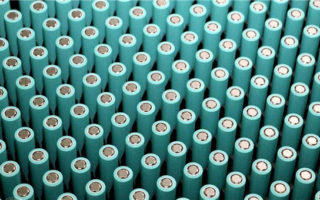
On rehearing, the panel considered a more recent decision from the Seventh Circuit in B.D. ex rel. Myers v. Samsung SDI Co., 143 F.4th 757 (7th Cir. 2025), which involved nearly identical facts to Ethridge, but on a much more developed record due to court-ordered jurisdictional discovery. With the benefit of Myers and reexamining evidence in the record, the Fifth Circuit concluded that Samsung had deliberately structured its Texas operations to avoid direct-to-consumer sales of loose 18650 cells (battery cells outside of their protective casings).
National Implications as Scope of Specific Jurisdiction Develops
The Ethridge opinion substantially clarifies developing personal jurisdiction jurisprudence. Per Ethridge, a foreign manufacturer that carefully restricts its forum contacts to industrial customers and affirmatively excludes, and prevents, individual consumer access and use to those products, may not be subject to specific personal jurisdiction in the plaintiff’s home forum—even if the same type of product can be found within that forum and the injury occurs there. The Fifth Circuit cautioned that its opinion does not establish that Samsung’s preventative measures created a baseline to avoid specific jurisdiction—only that it was “enough” that Samsung “affirmatively limited its contacts to approved manufacturers in Texas.”
As the scope of specific jurisdiction continues to develop in the United States, this decision reconciles a foreign product manufacturer’s intent to serve a confined market with the need to preserve the predictability and fairness of a foreign defendant being sued in a Texas court.
Related People


Related Resources

The Good, the Bad & the Bad Faith
Raymond M. Kutch, Cathleen H. Heintz, L. Michael Brooks